Amazon to Shut Fresh and Go Stores, Signals Major Shift in Grocery Strategy
Amazon said Tuesday it will begin winding down its Amazon Fresh and Amazon Go brick-and-mortar store chains, marking a significant shift in the company’s long-running effort to crack the grocery business.
In a blog post, the company said it made the decision after reassessing how it can best serve customers while prioritizing long-term investments.
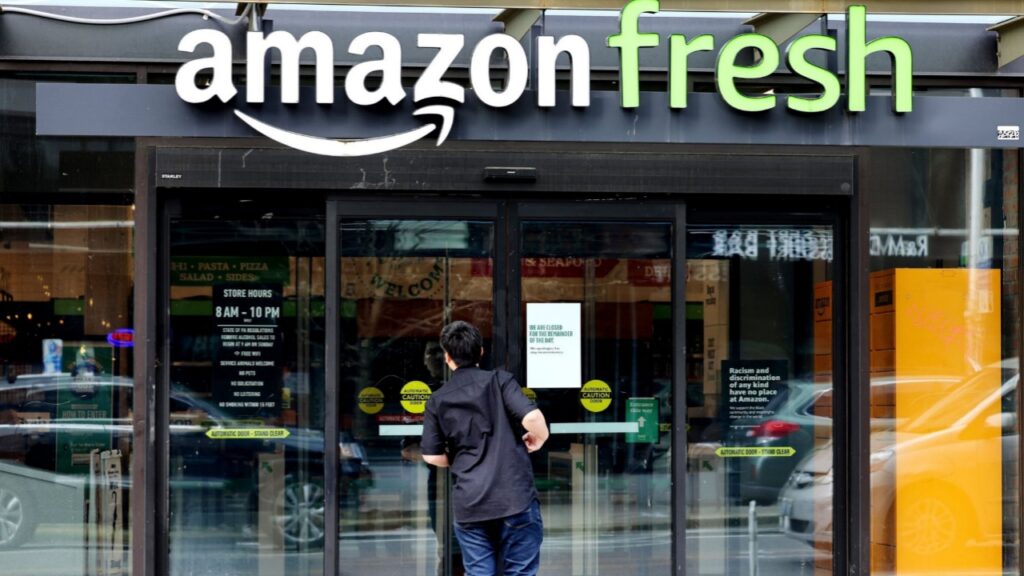
“After a careful evaluation of the business and how we can best serve customers, we’ve made the difficult decision to close our Amazon Go and Amazon Fresh physical stores, converting various locations into Whole Foods Market stores,” Amazon said.
The move represents a notable pivot for a company that has spent nearly two decades experimenting with how technology, logistics, and physical retail can coexist in grocery shopping.
Not an Exit from Physical Retail
Amazon emphasized that it is not abandoning brick-and-mortar retail altogether.
Instead, the company said it will redirect resources toward formats it believes have stronger long-term potential. Amazon will continue to operate its Fresh online grocery service and plans to explore new physical store concepts, including what it described as a future “mass physical store format.”
The company did not provide a timeline for when all Fresh and Go locations will close, nor did it specify how many stores will ultimately be converted into Whole Foods locations.
Whole Foods Takes Center Stage
As part of the shift, Amazon plans to open more than 100 new Whole Foods Market locations over the next several years, reinforcing the grocery chain’s importance within Amazon’s retail strategy.
Amazon will also expand Whole Foods Daily Shops, a smaller store format that offers a curated selection of everyday grocery items. These mini-markets are designed to serve dense urban areas and customers looking for quick, convenient shopping trips rather than full grocery hauls.
Last month, Amazon received approval from local officials in a Chicago suburb to build a large big-box store that will sell groceries, household essentials, and general merchandise. The approval suggests Amazon continues to test hybrid retail formats that blend grocery and traditional retail under one roof.
A Long and Costly Grocery Journey
Amazon’s grocery ambitions stretch back nearly 20 years, but success has been elusive.
The company made its boldest move in 2017 when it acquired Whole Foods Market for $13.7 billion, the largest acquisition in Amazon’s history. The deal instantly gave Amazon a nationwide grocery footprint and access to higher-income shoppers.
However, integrating Whole Foods into Amazon’s broader ecosystem proved more complex than expected.
Amazon Fresh: A Turbulent Rollout
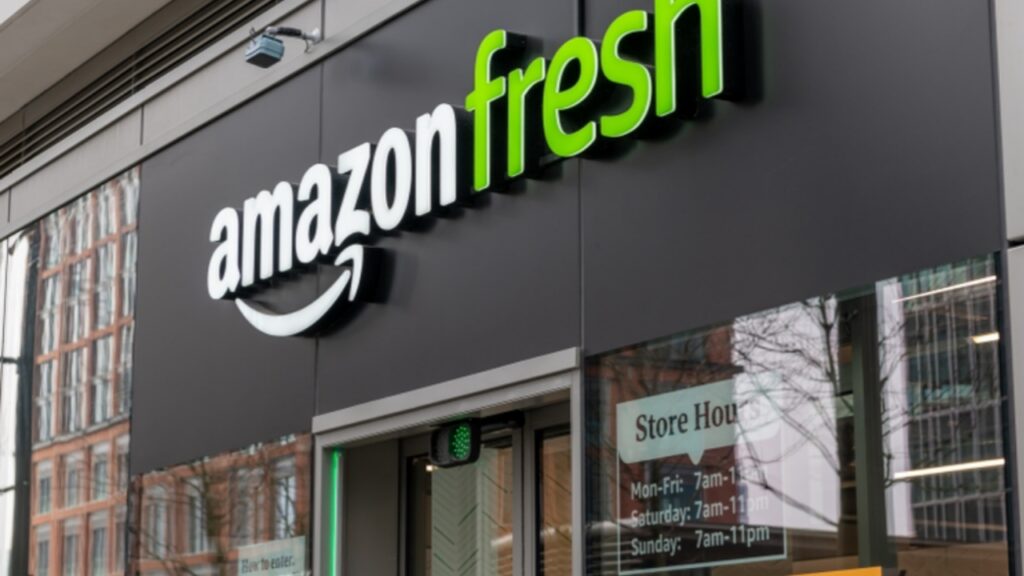
Amazon launched its Fresh grocery store chain in 2020, targeting mass-market shoppers with lower prices and a modern store design.
The rollout was aggressive at first, with Amazon opening a flurry of locations across the U.S. But the strategy soon ran into challenges.
Some stores underperformed, and Amazon slowed expansion as part of broader cost-cutting measures. Several locations were shuttered, and plans for rapid growth were put on hold.
In 2023, Amazon attempted a reset, unveiling a revamped Fresh store concept with updated layouts, pricing, and technology. Even then, the company continued to tweak its approach.
Last September, Amazon closed all of its Fresh stores in the United Kingdom, followed by the shutdown of several locations in Southern California.
The Rise and Fall of Amazon Go
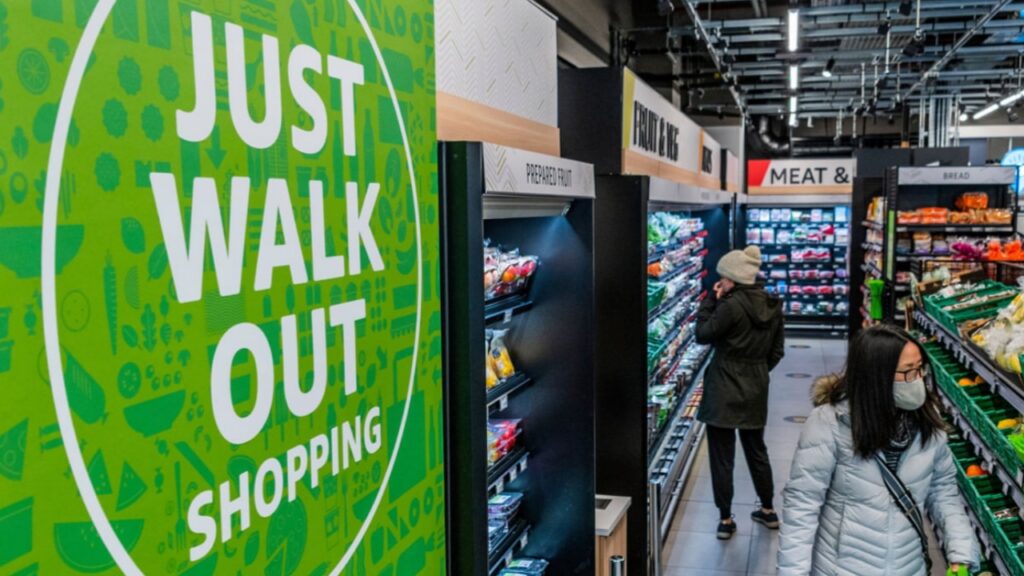
Amazon Go, the company’s cashier-less convenience store concept, debuted in 2018 and quickly became one of Amazon’s most talked-about retail experiments.
The stores allowed customers to enter, grab items, and leave without stopping at a checkout. The experience was powered by an array of cameras, sensors, and artificial intelligence systems that tracked purchases and automatically charged customers.
Founder Jeff Bezos championed the idea.
“No one likes to wait in line,” Bezos wrote in his 2018 letter to shareholders. “Instead, we imagined a store where you could walk in, pick up what you wanted, and leave.”
Despite the buzz, Amazon Go struggled to scale profitably. The technology was expensive to operate, and the stores remained concentrated in urban areas rather than expanding nationwide.
In 2024, Amazon took a major step back from the technology by removing the cashier-less systems from its grocery stores, signaling waning confidence in the model for mainstream retail.
Technology Lives On Elsewhere
While Amazon has pulled back on using the technology in its own stores, it has not abandoned it entirely.
In recent years, the company has sought to sell the “Just Walk Out” software to third parties, including sports stadiums, concert venues, hospitals, and college campuses. Amazon has also tested the automated grab-and-go systems inside its own warehouses.
These settings, with controlled environments and predictable traffic, have proven more suitable for the technology than traditional grocery stores.
A Tighter Grip on Grocery Leadership
Amazon has also restructured leadership within its grocery division.
Last January, the company appointed Whole Foods CEO Jason Buechel to oversee Amazon’s worldwide grocery business, bringing Whole Foods closer to Amazon’s in-house grocery teams.
The company has also begun testing a “store within a store” concept at select Whole Foods locations. The setup allows customers to order a broader range of Amazon products — items not typically stocked at Whole Foods — from an automated warehouse attached to the store.
Looking Ahead
Amazon’s decision to sunset Fresh and Go underscores the challenges even the world’s largest e-commerce company faces in grocery retail.
The shift suggests Amazon is betting that Whole Foods, smaller formats, and selective experimentation offer a clearer path forward than managing multiple underperforming store chains.
While the grocery puzzle remains unsolved, Amazon’s latest move signals a renewed focus on what it believes works — and a willingness to walk away from what doesn’t.